
Guano Mania and the U.S. Minor Outlying Islands: A Saga of the High Seas
Come with me, won't you, back to the days when the world was bat-shit crazy. Literally.

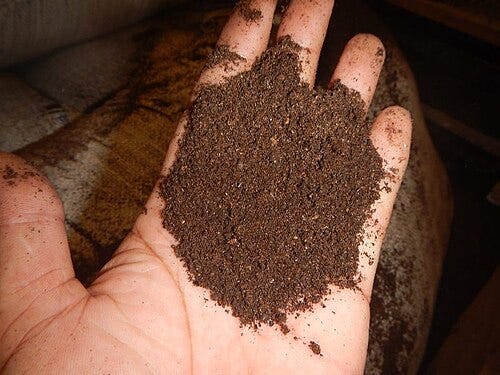
A handful of raw insectivorous bat guano. Hear those cash registers ring! Photo: Aphidwarrior/Wikipedia
The famous theme song to Mark Orwoll Is at It Again. Just click!
IN THE JOURNALISM BIZ, I’m what they call an “idea man.” Here’s my latest idea:
Guano.
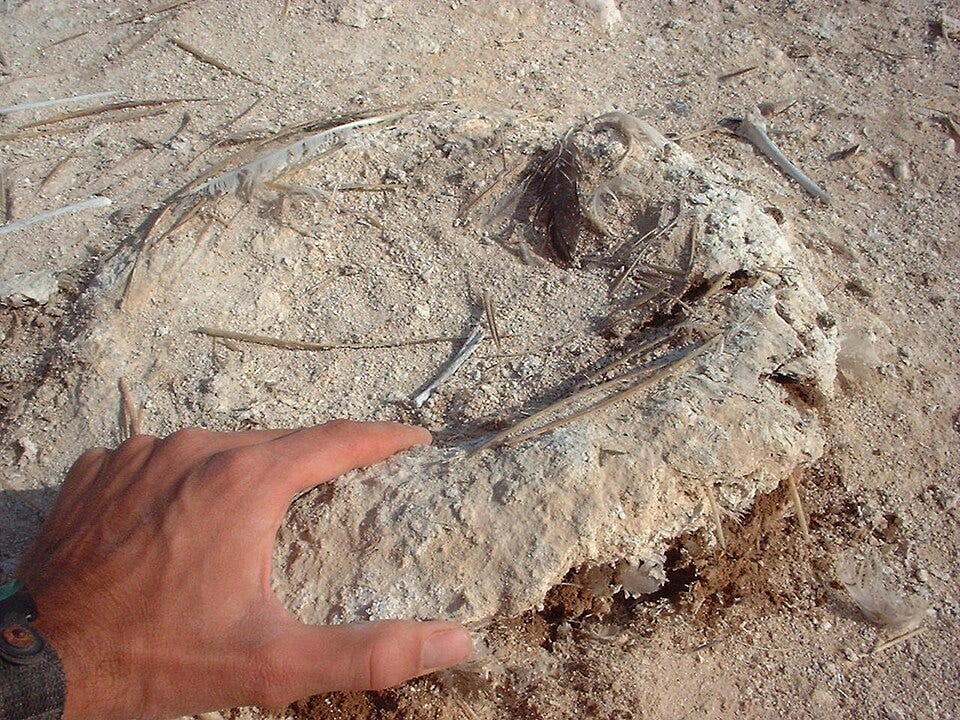
Guano! Pure Peruvian platinum. Bat bucks! Vampire valuables! Dung dollars! Gloves would actually be a good idea. Photo by Acatenazzi/Wikipedia.
Bat guano. Seagull guano. You name it. Guano of every stripe. Bring it on.
The idea is this: A huge craving for guano descended on America in the late 19th century. OK, “craving” is probably not the best word choice. But people couldn’t get enough of it. So being the Big Idea person that I purportedly am, I figured, heck, write a book about guano and cash in on the guano craze!
Back in the day, everyone wanted to be a guano king.
I am now at the “Let’s think about this a little more before we devote too much time only to fail” stage of the book. But it’s still a possibility!
Why Guano? Why Now?
First off, you know what guano is, right? You’re not going to make me spell it out for you, right? Ok, fine, thanks a lot…
Guano, basically, is bat poop. Dung. Excrement. Number two. Doo-doo.
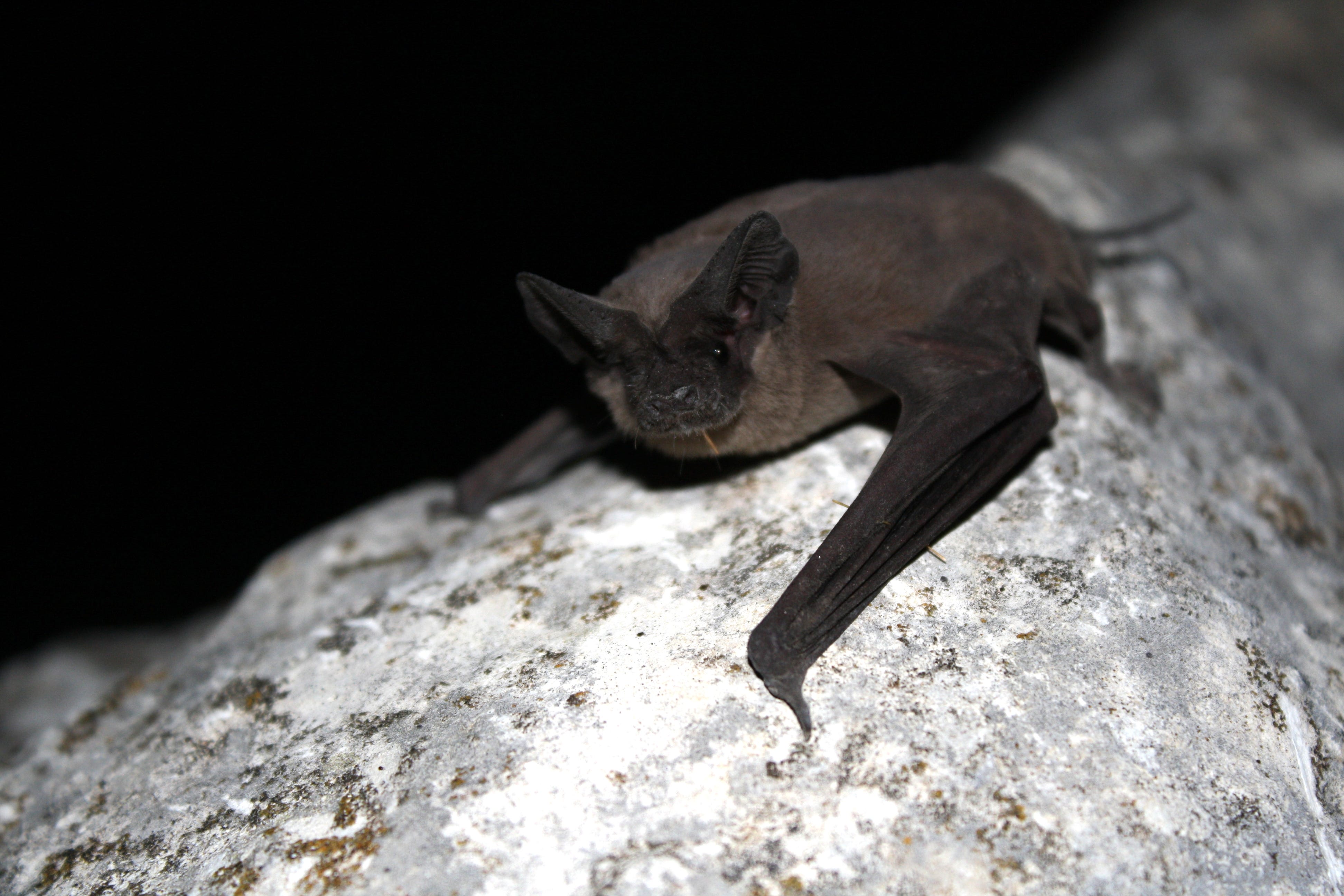
Mexican free-tailed bats make first-rate guano. Which is why this little guy is so protective of his pile o’ poop. Photo courtesy of U.S. Fish & Wildlife Service (your tax dollars at work!).
It’s particularly popular in tropical climates, where bats gather in abundance in caves, gullies, sea cliffs, and Mar-A-Lago. Entrepreneurs, in years past, would “mine” the guano. That’s the part I had to figure out. How, in actual fact, do you “mine” guano?
And once you mine it, what do you do with it? These were my initial questions. As you can tell, I still had a lot of research to do before publishing my guano magnum opus. And so, notebook in hand, I sought the answers—so that you don’t have to.
Guano, Slave Revolts, and War
Back in the day, everyone wanted to be a guano king. For example:
In 1860, a young sea captain, James W. Jennett, discovered guano on the Arcas Islands off Campeche, Mexico. He made later visits to the island in 1867, 1869, 1875, and 1879. Clearly, Jim Jennett had fallen under the formidable sway of bat feces.
Then Capt. Jennett made his Big Move: He filed a claim under the Guano Act.
Do not crack up: There is a United States Congressional Resolution embedded in the Federal Law Books called, and I am not making this up, the Guano Act. Which would actually be a good name for a rock band.
The Guano Islands Act of 1856 (or as we like to call it around the Orwoll breakfast table during our early-morning chats, “48 U.S.C. ch. 8 §§ 1411-1419”) says:
Citizens of the United States may claim possession of unclaimed, uninhabited islands containing guano deposits in the name of the United States. In fact, though, we don’t actually care if people live on or claim an island. We’re the United States! We will uninhabit you, if we must. We have come for your guano, bwa-ha-ha!
And Once You Have Claimed Your Guano Island? Then What Do You Do?
While you were busy reading the paragraph above, I checked Google. Apparently, guano was mostly mined manually, using shovels and carts. Scoop up a big pile of bat poop with a shovel, dump it into a cart, then put it onto your ship. Not rocket science.
In some cases, the guano was piled so high and thick that the workers had to use explosives. Yes, they used dynamite to blow up bat scat.
Teacher: Now tell the class what your father does for a living, Johnny.
Johnny: Well, he… he… he’s a businessman. Yeah, that’s right, a businessman…
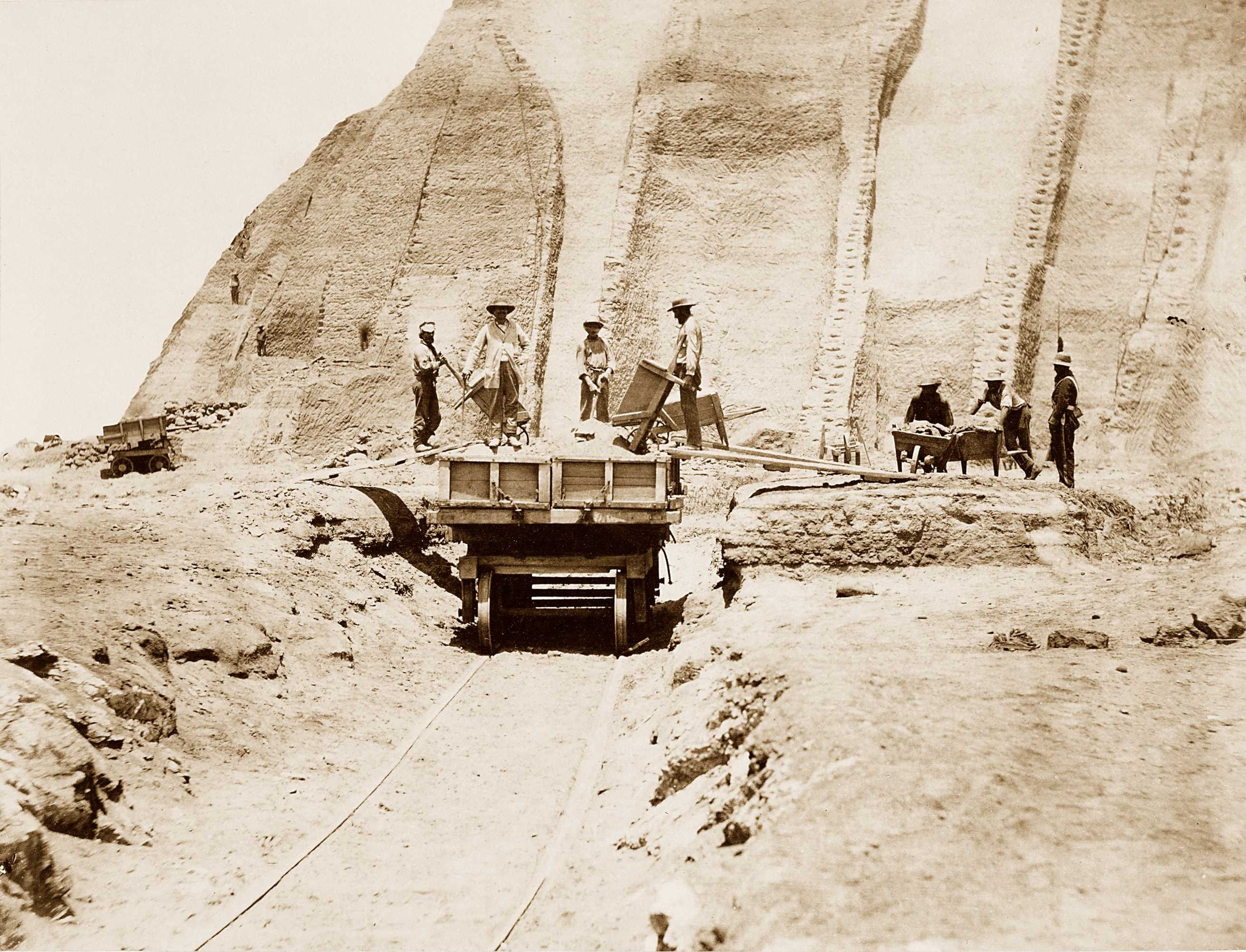
Dig it up with a shovel, toss it into a cart, load it onto a ship and voila! You’re a Guano King. Public domain photo (c. 1865) by Henry de Witt Moulton.
Pretty soon, your ship laden with guano and a clothespin clasping your nostrils shut, you’d sail proudly back to San Francisco or New York and ask yourself, “But what am I going to do with all this guano?”
No problem. You sell it to farmers for fertilizer! Guano is not just an individual bat’s excrement. No, no. Guano is the piled-up, very thick, accumulated community excrement that lends guano its rich blend of nitrogen, phosphate, potassium, and possibly Vitamin B3 to make you run faster and jump higher and grow the corn as high as an elephant’s eye.
Buckle Those Swashes!
The newspapers were full of the bold adventures of dashing guano explorers in the later Victorian years.
Captain Jennett was once stranded with his cook, “an intelligent Japanese named James Cook,” and 12 guano laborers on Roncador Island in the Caribbean. Running short on food and beverage, and realizing that Doordash was years away from being a thing, Jennett and two of his men left the island in a yawl boat to seek help, rowing through terrible storms for four days and nights until reaching the mainland on Christmas Day. He then borrowed a ship and returned to the island to save his men from certain doom and utter boredom.
A worker uprising at a bat cave on Navassa Island in 1891 led to people being killed by hatchets, dynamite, and a sledge hammer. All for guano.
And have you ever mistakenly checked the box for U.S. Minor Outlying Islands on an Official Form? Or just checked that box to be cheeky? I sure have! You can thank the Guano Islands Act of 1856. Johnston Atoll, Jarvis Island, Kingman Reef, and Midway were positively swimming in guano. So we claimed them.
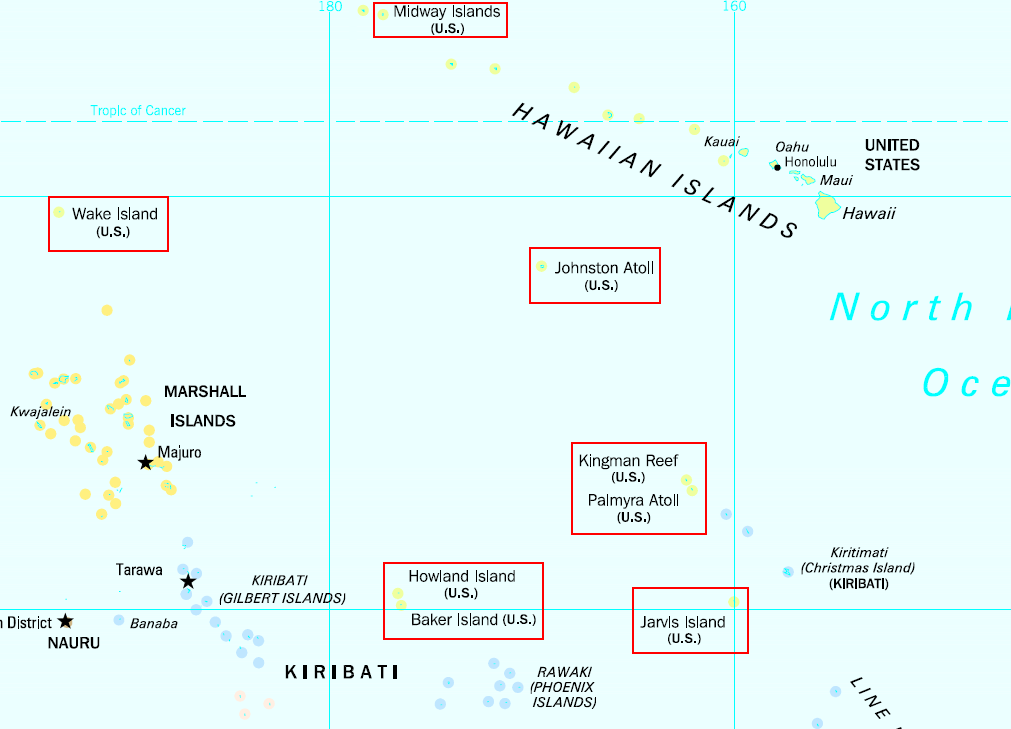
The U.S. Minor Outlying Islands. The American Empire was basically built on bat shit. And now you know what bat-shit crazy means.
But guano was not strictly limited to American enterprise. Witness the Franco-Chilean Indemnity Case of 1901, in which France and Chile nearly came to blows over guano rights. In fact, Peru, Bolivia, and Chile actually did go to war over guano in 1879, as you recall from your freshman history class.
The Hemingway Effect
Ernest Hemingway, the famous author, had a brother named Leicester (pronounced Lye-sester Lee-chester “Simon”). In 1964, with money from a biography he wrote about Ernest, Leicester devised a plan: “I will make an eight-foot by thirty-foot raft and anchor it to the bottom of the ocean off the coast of Jamaica and remain there until lots of bats fly overhead and poop on my raft. That way, I can claim it for the United States under the Guano Act!”
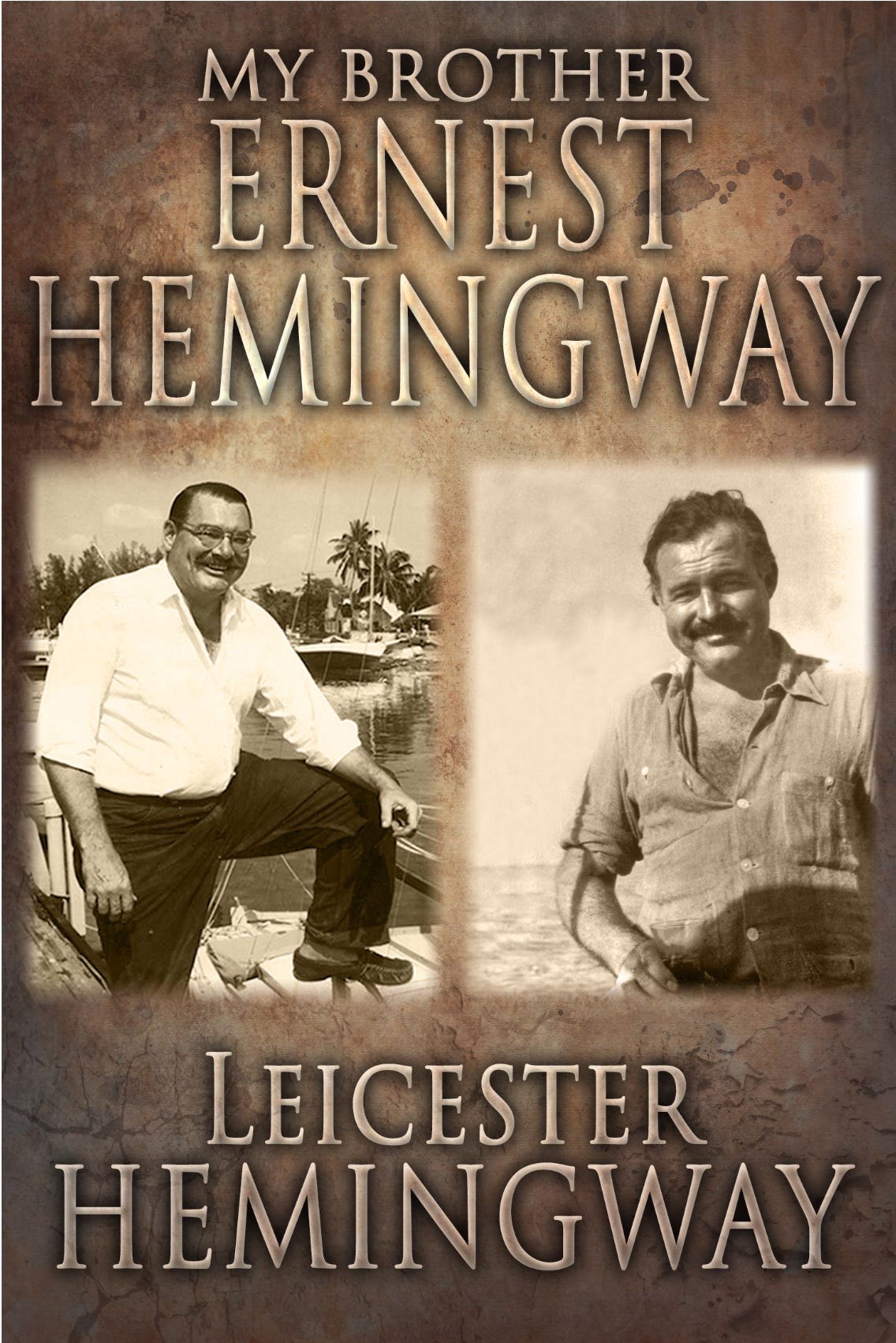
Apparently, it’s a very well-written book! And Leicester made enough money to be the Emperor of New Atlantis.
Ultimately, he claimed half the floating “island” for the United States and declared the other half the “micronation” of New Atlantis. You can probably guess how successful that was.

The flag of New Atlantis. Image by Hyméros/Wikimedia Commons
Yes, it’s all true. Ernest Hemingway’s brother anchored a large bamboo raft off Jamaica to collect bat and seagull poop in 1964, then claimed half of the floating island for the United States and established the micronation of New Atlantis on the other half. I can only wish I was smart enough to make up stuff like this.
The Fate of Guano
The death knell of guano (great title for a book, by the way) came in 1910 when Mr. Haber and Mr. Bosch, I assume, developed the Haber–Bosch process for extracting nitrogen from the atmosphere. It was, like the atmosphere itself, cheap and abundant.
Meantime, people like Captain Jennett and the Bolivians had pretty much depleted the world’s guano supply.
As for Leicester Hemingway, I’ve made him out to seem like a kook, just because he claimed a raft to be a guano island and then created his own nation called New Atlantis. I mean, who among us hasn’t?
He actually had a serious intent: New Atlantis, as a sovereign country, could mint coins and create postage stamps which could be sold, the revenues from which sales would be used to support oceanographic research.
Meantime, and you probably won’t believe this, the Guano Islands Act of 1856 is STILL IN EFFECT! Considering that most guano mining came to a halt more than a century ago thanks to Messrs. Haber and Bosch, there’s got to be a hella guano out there, somewhere.
We’re gonna need a bigger boat.
GRAMMAR ALERT!! I’ve just been informed by my Millennial daughter, an Official New York City Schoolteacher, that the word “hella” can be used only as an adverb, and that I should have used the phrase “helluva lot of.” I regret the error.
And now, for my lovely subscribers and pretty much anyone else, here is this week’s bonus content.
How many really good band names can you find in this essay?
Answer:
Dung Dollars
The Guano Act
48 U.S.C. ch. 8 §§ 1411-1419
Bat Scat
Leicester Hemingway
Captain Jennett and the Bolivians
And now, for anyone who prefers it, the video version of the foregoing…
SOMEbody had to do it!
Finally, an armchair historian willing to get his hands dirty with guano history